To Generate Ssh Keys In Unix For An Account
Sep 01, 2018 Village Key Quests. This page contains information on the Single Player portions of Monster Hunter Generations and Generations Ultimate. Monster Hunter Generations' single player quests aren't labeled as Low Rank or High Rank like in the Hunters' Hub, but they are labeled in Generations Ultimate and are labeled as such here. Windows 7 ultimate key. Sep 07, 2018 Monster Hunter Generations Ultimate, on the other hand, fits squarely in line with previous Monster Hunters. The game won't usually tell you what your key quests are, and it's mostly up to you to figure that out for yourself. Naturally, this might be a bit of a drag. This is a list of Guild Key Quests in Monster Hunter Generations Ultimate (and Generations) that need to be completed to unlock higher star quests and Hunter Rank. These are also known as Guild. Those should be the only key quests in 2. village. You shouldn't be forced to complete any requests until later in the game, so feel free to ignore them for now (or not, play the game at your own pace).
- To Generate Ssh Keys In Unix For An Account Free
- To Generate Ssh Keys In Unix For An Accounts
- To Generate Ssh Keys In Unix For An Account Login
- To Generate Ssh Keys In Unix For An Account Email
- To Generate Ssh Keys In Unix For An Account Download
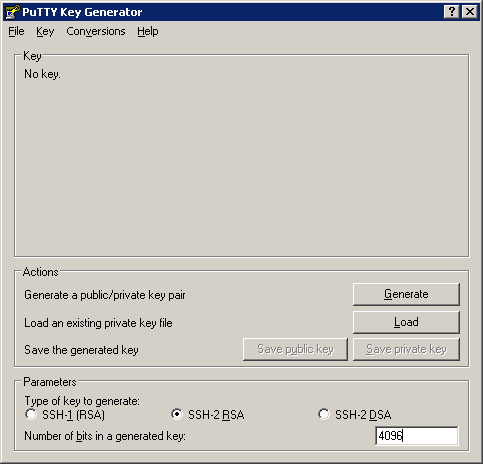
Follow the instructions to generate your SSH key pair. To add the SSH public key to GitLab, see Adding an SSH key to your GitLab account. Note: Once you add a key, you cannot edit it. If it didn’t paste properly, it will not work, and you will need to remove the key from GitLab and try adding it again. There's no user information in the SSH keys. Last field in a public key is a comment (and can be changed by running the following command ssh-keygen -C newcomment ). No need to do anything special to make a key for another user, just put it in the right location and set permissions.
HNov 24, 2018 I strongly recommend installing ssh keys while creating the new user account. You must have RSA/ed25519 key pair on your local desktop/laptop. Use the cat command to view your current RSA/ed25519 public key on the desktop: $ cat /.ssh/ided25519.pub $ cat /.ssh/idrsa.pub View public ssh key on your macos/unix/linux desktop. Setting up public key authentication Generate an SSH Key Copy the key to a server Test the new key Troubleshooting How ssh-copy-id works Some best practices for SSH keys Use a passphrase when possible Add a command restriction when possible Managing SSH keys Command-line options Ssh-copy-id on Mac Installation using Homebrew Installation from. Red Hat Enterprise Linux 6 uses SSH Protocol 2 and RSA keys by default (see Section 14.1.3, “Protocol Versions” for more information). Important Do not generate key pairs as root, as only root would be able to use those keys. Aug 07, 2019 Steps to setup secure ssh keys: Create the ssh key pair using ssh-keygen command. Copy and install the public ssh key using ssh-copy-id command on a Linux or Unix server. Add yourself to sudo or wheel group admin account. Disable the password login for root account. Test your password less ssh keys. I want to add a user to Red Hat Linux that will not use a password for logging in, but instead use a public key for ssh. Do you know how to set up an ssh key login in general? I think the account just needs to not be locked, which would imply that there is some password active. Then create.ssh/authorizedkeys file in their home.
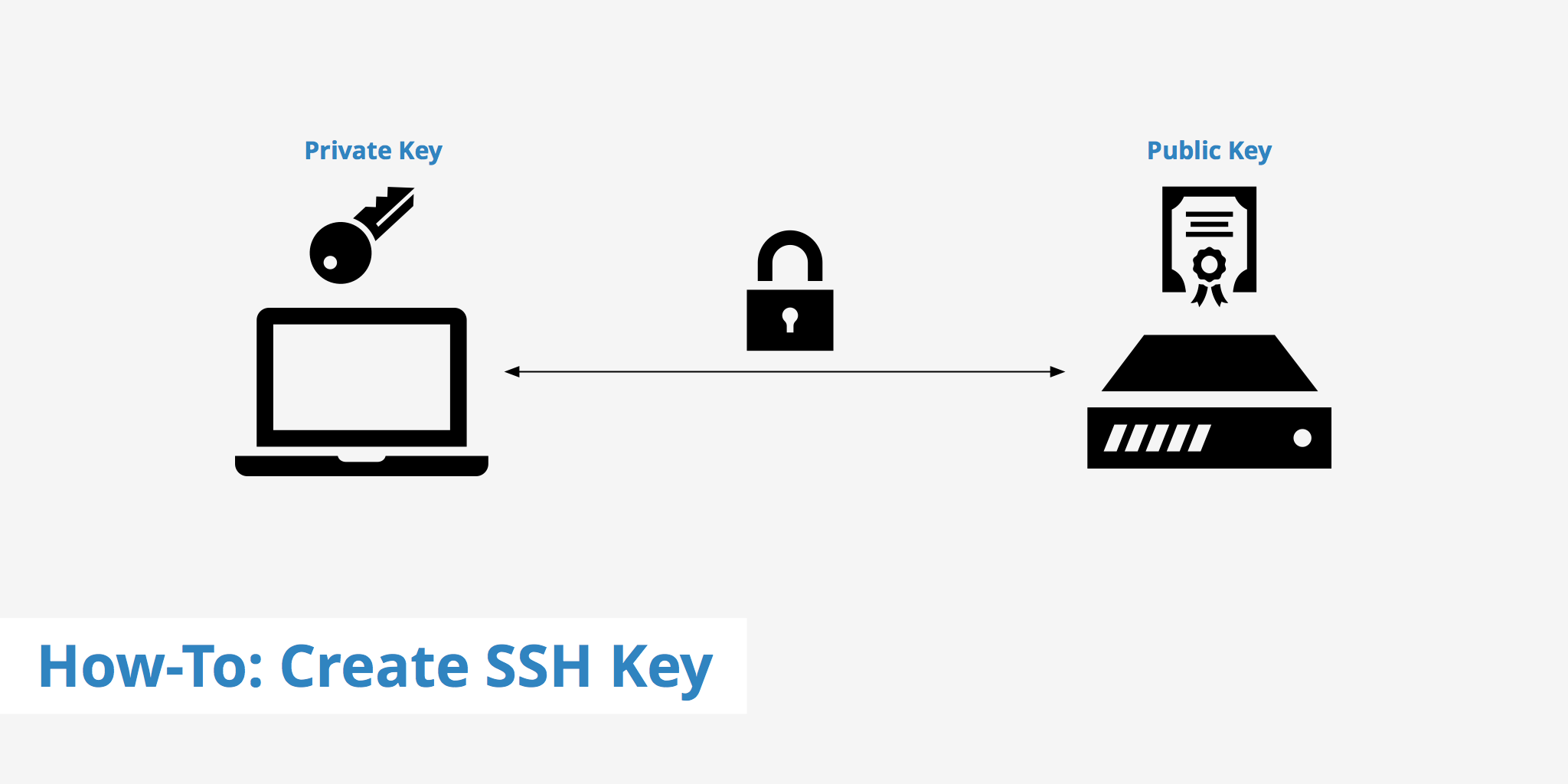
ow do I generate ssh keys under Linux / UNIX / Mac OS X and *BSD operating systems for remote login?SSH uses public-key cryptography to authenticate the remote computer and allow the remote computer to authenticate the user, if required. You can create ssh keys as follows on any Linux or UNIX-like operating systems including Mac OS X.[donotprint][/donotprint]
ssh-keygen command to Generate SSH Keys
The ssh-keygen command generates, manages and converts authentication keys for ssh client and server usage. Type the following command to generate ssh keys (open terminal and type the command):$ ssh-keygen
Generate SSH keys looks as follows:
The above command creates ~/.ssh/ directory. So if your user name is vivek, than all files are stored in /home/vivek/.ssh/ or $HOME/.ssh/ directory as follows:
- $HOME/.ssh/id_rsa – Your private key. Do not share this file with anyone. Keep it private
- $HOME/.ssh/id_rsa.pub– Your public key.
To Generate Ssh Keys In Unix For An Account Free
Please note that the passphrase must be different from your current password and do not share keys or passphrase with anyone. Also, make sure you have correct and secure permissions on $HOME/.ssh/ directory:
SSH Keys Are Generated, What Next?
You need to copy $HOME/.ssh/id_rsa.pub file to remote server so that you can login using keys instead of the password. Use any one of the following command to copy key to remote server called vpn22.nixcraft.net.in for vivek user:ssh-copy-id vivek@vpn22.nixcraft.net.in
On some *nix system such as OS X ssh-copy-id command may not be installed, use the following commands (when prompted provide the password for remote user account called vivek) to install/append the public key on remote host:ssh vivek@vpn22.nixcraft.net.in 'umask 077; mkdir .ssh'
cat $HOME/.ssh/id_rsa.pub ssh vivek@vpn22.nixcraft.net.in 'cat >> .ssh/authorized_keys'
To login simply type:ssh vivek@vpn22.nixcraft.net.in
The following command will help to remember passphraseexec ssh-agent $SHELL
ssh-add
ssh vivek@vpn22.nixcraft.net.in
Optional ssh-keygen command syntax for advance users
The following syntax specifies the 4096 of bits in the RSA key to creation (default 2048):ssh-keygen -t rsa -b 4096 -f ~/.ssh/aws.key -C 'My AWs cloud key'
Where,
- -t rsa : Specifies the type of key to create. The possible values are “rsa1” for protocol version 1 and “dsa”, “ecdsa”, “ed25519”, or “rsa” for protocol version 2.
- -b 4096 : Specifies the number of bits in the key to create.
- -f ~/.ssh/aws.key : Specifies the filename of the key file.
- -C 'My AWs cloud key' : Set a new comment.
Now install the ~/.ssh/aws.key, run:ssh-copy-id -i ~/.ssh/aws.key user@aws-server-ip
Test it with the ssh command:ssh -i ~/.ssh/aws.key ec2-user@aws-server-ip
See “How To Set up SSH Keys on a Linux / Unix System” for more info.
Conclusion
You learned how to create and generate ssh keys using the ssh-keygen command.
- Howto Linux / UNIX setup SSH with DSA public key authentication (password less login)
- sshpass: Login To SSH Server / Provide SSH Password Using A Shell Script
- keychain: Set Up Secure Passwordless SSH Access For Backup Scripts
- Openssh man pages here
- Man pages – ssh-keygen(1)
ADVERTISEMENTS
Introduction : By default, the cloud server comes with a user named ubuntu. You can use such primary user account for sysadmin tasks on Ubuntu. However, sometimes you need to add a user account on Ubuntu for additional sysadmin tasks. This page shows how to create a regular user account or sysadmin account on the Ubuntu server.
Steps to create a user account on Ubuntu Linux
- Open the terminal application
- Log in to remote box by running the ssh user@your-ubuntu-box-ip
- To add a new user in Ubuntu run sudo adduser userNameHere
- Enter password and other needed info to create a user account on Ubuntu server
- New username would be added to /etc/passwd file, and encrypted password stored in the /etc/shadow file
Let us see all commands in details. Ascii keyboard codes.
To Generate Ssh Keys In Unix For An Accounts
Ubuntu create user account commands
Let us say you need to add a new user in Ubuntu called vivek, type the following command in your shell:$ sudo adduser vivek
Type your own password and other info:
Verification
Use the grep command or cat command as follows:$ cat /etc/passwd
$ grep '^vivek' /etc/passwd
Sample outputs:
To Generate Ssh Keys In Unix For An Account Login
How do I log in using ssh?
From your Windows (WSL) or macOS or Linux desktop, run:$ ssh vivek@your-aws-ubuntu-server-ip
OR$ ssh -i ~/.ssh/aws.pub.key vivek@your-aws-ubuntu-server-ip
Enter the password when prompted.
To Generate Ssh Keys In Unix For An Account Email
Creating a user account using useradd command on Ubuntu
Alternatively, you can use the useradd command is a low level utility for adding users on Ubuntu. The syntax is:$ sudo useradd -s /path/to/shell -d /home/{dirname} -m -G {secondary-group} {username}
$ sudo passwd {username}
Let us create a new user named vivek using the useradd command on Ubuntu:$ sudo useradd -s /bin/bash -d /home/vivek/ -m -G sudo vivek
$ sudo passwd vivek
Where,
- -s /bin/bash – Set /bin/bash as login shell of the new account
- -d /home/vivek/ – Set /home/vivek/ as home directory of the new Ubuntu account
- -m – Create the user’s home directory
- -G sudo – Make sure vivek user can sudo i.e. give admin access to the new account
I strongly recommend installing ssh keys while creating the new user account. You must have RSA/ed25519 key pair on your local desktop/laptop. Use the cat command to view your current RSA/ed25519 public key on the desktop:$ cat ~/.ssh/id_ed25519.pub
$ cat ~/.ssh/id_rsa.pub
Run the following commands on your Ubuntu server to install above ~/.ssh/id_ed25519.pub key from your desktop:$ sudo mkdir /home/vivek/.ssh/
$ sudo chmod 0700 /home/vivek/.ssh/
$ sudo -- sh -c 'echo 'ssh-ed25519 AAAAC3NzaC1lZDI1NTE5AAAAILaLvLmaW9qIbUVo1aDHWZE9JewbNfIdTVif2aFGF0E0 vivek@nixcraft' > /home/vivek/.ssh/authorized_keys'
$ sudo chown -R vivek:vivek /home/vivek/.ssh/
Now you can log in with ssh keys:$ ssh vivek@your-aws-server-ip-here
For more info see:
Conclusion
To Generate Ssh Keys In Unix For An Account Download
ADVERTISEMENTS